Benefits of the Essex LNRS
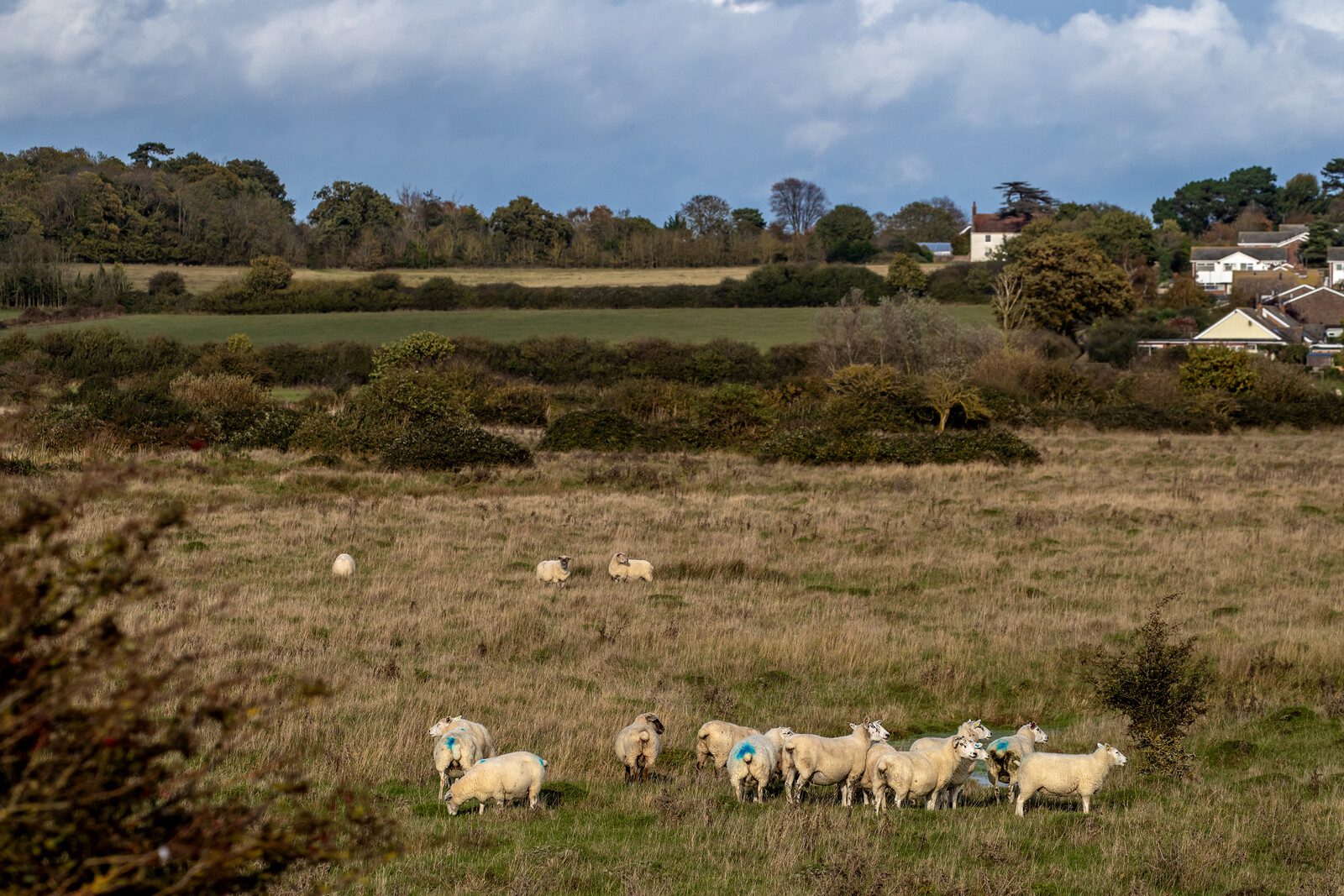
The Essex Nature Partnership understands that the farming community in Essex are passionate about the countryside and see the need to work in partnership with nature to ensure having a livelihood from farming is sustainable for generations to come. The Essex LNRS will help develop a coordinated approach with clear priorities and a strategic approach which encourages more sustainable farming practices, that take nature into account.
The Benefits
The Essex LNRS will provide the chance for a collaborative pooling of resources and information to develop a joined-up strategy to better coordinate environmental investment and create real opportunities to deliver nature recovery.
Working in partnership with landowners and stakeholders, the Essex LNRS has generated a unique map of current spaces for nature and areas for biodiversity that are of particular importance. With this foundation of core data, this mapping will be used to identify key areas where opportunities exist for nature recovery as well as helping to outline the biodiversity priorities for Essex.
Collaboration and coordination
The Essex LNRS will help to maximise the results from the individual efforts of each stakeholder and ultimately yield the best possible return for the farming community as a whole.
Encouraging wildlife to flourish is the best way for farming to flourish. Farming with nature in mind improves the health of soil (where 25% of biodiversity lives), increases the health and diversity of natural pollinators (the economic contribution by wild bees in UK is £1,800/ha), and establishes natural pest control and provides shelter for livestock. Objectives of the Essex LNRS will also improve water, air and soil quality, and by improving the natural environment of farmland and rural spaces, all of our countryside landscapes will become more resilient to the impacts of climate change.
Bigger, Better and More Connected
There are financial advantage opportunities through farming with nature in mind, for example via funding through a variety of public and private grant schemes, such as Biodiversity Net Gain. LNRSs will be a useful resource for land managers to inform applications for funding, particularly those looking to develop Landscape Recovery Projects. It is expected that LNRSs will inform future funding opportunities from a range of public and private sources. You can find out more information about the types of funding available and how this might be linked to the Essex LNRS here.