
A New Future for
Nature in Essex
The agricultural land of England has been a cornerstone of life in this country for not just centuries, but millennia. However, the climate crisis facing the world presents us all with perhaps the most significant challenge ever in how we look after our natural spaces in order to protect the future for our own species as well as the wildlife and habitats we share this planet with.
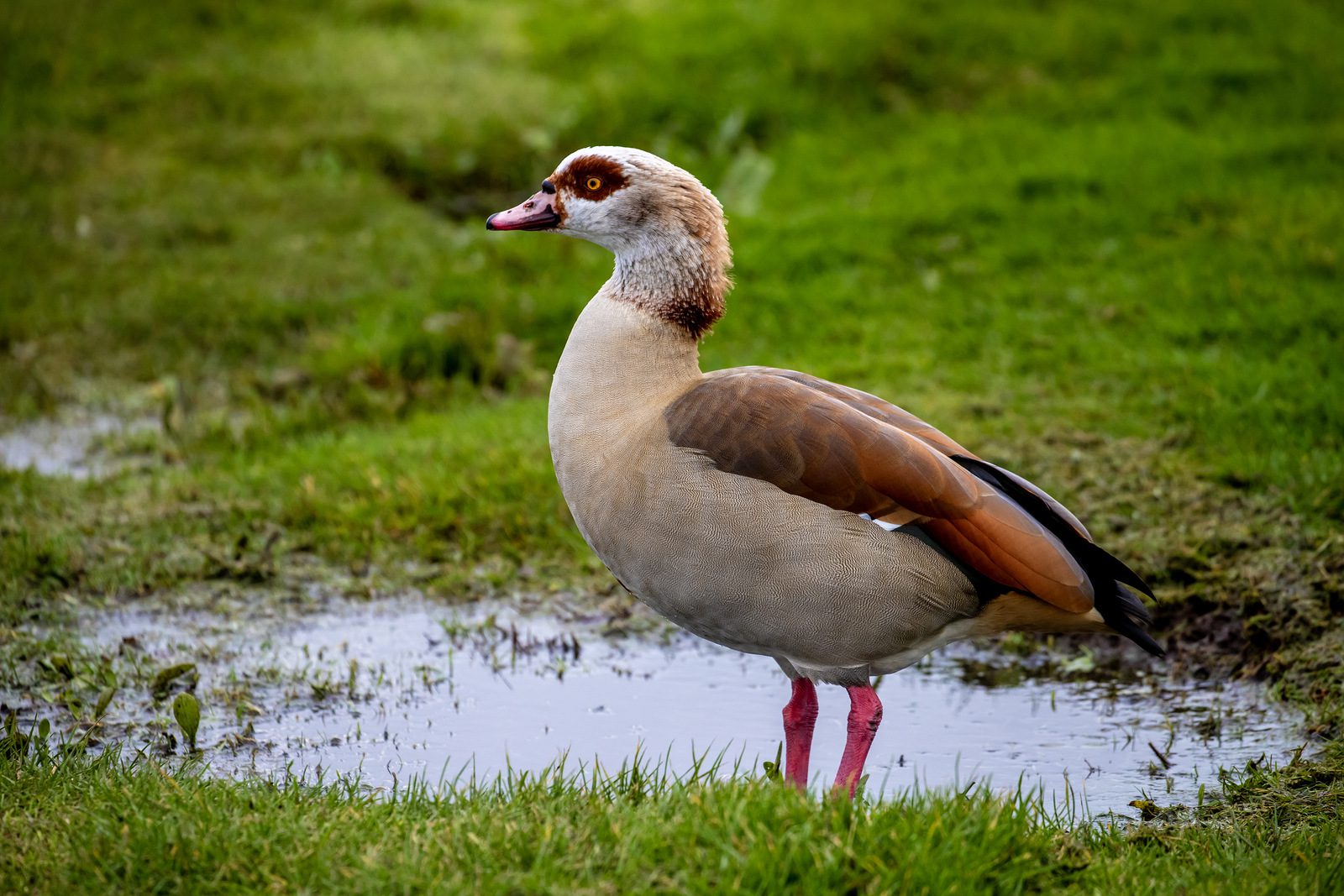
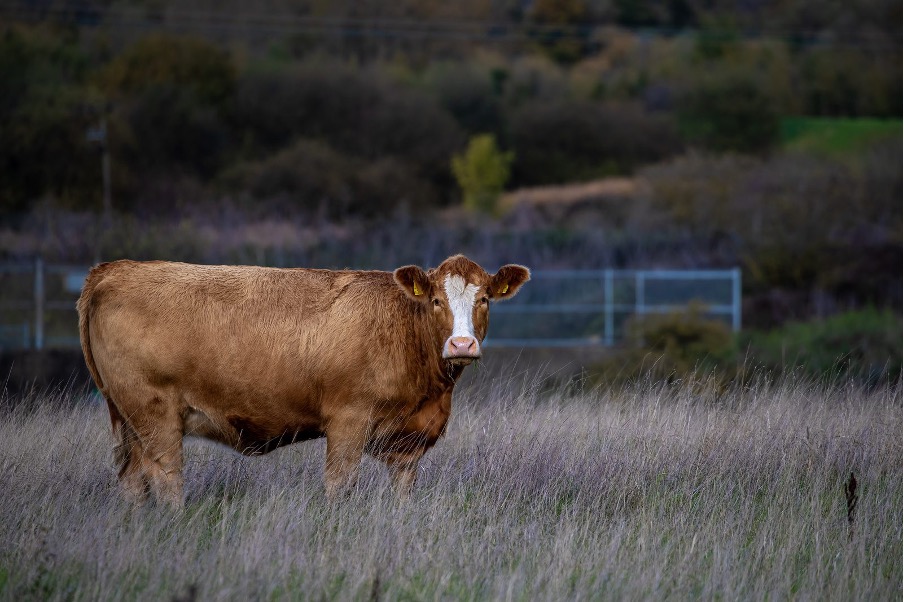
Photo credit: Paul Starr
What does the Essex LNRS mean for me?
Whatever your interest in the natural habitat of Essex, the Essex LNRS will be important to you. As well as providing a vital record of existing spaces for nature and locations of importance for biodiversity, the Essex LNRS highlights potential opportunities for nature recovery and identifies biodiversity priorities for Essex.
As a Statutory Requirement determined within The Environment Act 2021, Greater Essex is designated as one of 48 regions across England, with Essex County Council the Responsible Authority appointed to deliver the LNRS for this area. Essex County Council has set up a Local Nature Partnership in Essex with one of the primary aims of this partnership being to support the delivery and implementation of the LNRS.
There are multiple grants and other funding opportunities available to increase productivity, manage your land to benefit the environment and support your agricultural business. You can find out more about related funding here.
Key frequently asked questions for farmers and landowners
What will the Essex LNRS mean for land I own?
Local Nature Recovery Strategies (LNRS) are the new primary plans designed to drive action for nature recovery and further environmental benefits across England.
Proposed in 2019 by the Government’s 25-Year Environment Plan, LNRSs were made mandatory by the Environment Act 2021. There will be 48 LNRSs across England, all of which have an appointed Responsible Authority. Essex County Council is the Responsible Authority appointed by DEFRA, to deliver the LNRS on behalf of Greater Essex, including Southend and Thurrock, and will be supported by the Essex Nature Partnership and other key environmental stakeholders.
LNRS will include mapped out areas of particular importance for biodiversity and where there are key opportunities for nature recovery; including the creation of new habitat, and specific actions for nature’s recovery and the improvement of the natural environment.
The ambition is for the Essex LNRS to become an invaluable tool, enabling the public, private and voluntary sectors to collaborate more effectively for nature’s recovery and encourage collective efforts to be focused where they have most benefit for wildlife and the wider environment.
Why Farmers and Landowners have been involved?
Farmers and landowners play a vital role in shaping the future of our natural environment. With around 60% of Essex’s land used for agriculture, farmland represents the majority of the county’s landscape – and often the only space where action for nature recovery can take place. The management decisions made on this land directly influence nature recovery, soil health, water quality, biodiversity and resilience to climate change.
The challenges facing those who manage the land are significant. Changing weather patterns, prolonged droughts and floods, and the ongoing loss of biodiversity all affect productivity and long-term sustainability. Farmers and land managers are already adapting and innovating to meet these challenges, and their knowledge and experience are essential in identifying practical, effective solutions.
Local Nature Recovery Strategies (LNRS) provide a framework to support this. The Essex LNRS helps highlight nature recovery opportunities for you and your land with enhanced access to funding and signposting opportunities.
Biodiversity Net Gain will direct funding into areas that will deliver the greatest benefits to nature, using the strategic opportunity mapping within the LNRS. The strategic significance multiplier within the biodiversity metric, favours land that is part of the Essex LNRS opportunities.
The strategy also opens up conversations for enabling business diversification and developing climate change resilience.
The Essex LNRS aims to incentivise nature friendly activities across the county landscape and is a local strategy for local people, coordinating financial investment into spaces for nature. Bigger, better and connected delivery ensures the very best results for one and all.
How can I, as a farmer or landowner, help deliver actions that support the Essex LNRS?
Farmers and Landowners are key partners for delivery of the Essex LNRS – you know your land better than anyone and we recognise the priorities and outcomes need to be realistic and achievable.
The Essex LNRS is not looking to dictate activity when something else could be more favourable all round i.e. grassland rather than woodland. Each individual and individual landowner or farmer has different opportunities and different goals where they can achieve biodiversity in different ways. Let’s work together. The Essex LNRS is not a restrictor or a constraint – it is to be an enabler and an opportunity for nature recovery.
If my land is on the Essex LNRS opportunity maps, what does it actually mean to me?
The LNRS presents you with an opportunity to take action for nature. Click here to view the interactive map and use the postcode search to find your land.
The Strategy aims to be deliverable and each individual landowner has different opportunities where they can achieve biodiversity creation and enhancement in different ways. We want to support you to take action for nature within the opportunity areas highlighted within the LNRS. Please contact the Essex LNRS team if you have any questions or would like to discuss nature recovery further.
LNRSs will help direct future effort and funding and the LNRS team can assist with providing updates to funding as the LNRS is adopted moving forward.
Biodiversity Net Gain (BNG) projects delivered in the strategic opportunity areas identified by the Essex LNRS will be prioritised and rewarded. Landowners carrying out nature recovery activities in these areas could benefit from up to 15% more biodiversity units, recognising the added value of creating or enhancing habitats in locations that contribute most to the county’s wider nature recovery network.
There is something that everyone can do to assist nature recovery in Essex and there is the opportunity for everyone to be involved with the Essex LNRS.
Please read more other FAQs including What will the Essex LNRS mean for land I own? And How will Biodiversity Net Gain be integrated and influenced by the Local Nature Recovery Strategy?
Funding Initiatives
There are multiple grants and other funding opportunities available to increase productivity, manage your land to benefit the environment and support your agricultural business.
Workshops and Events
Consultation is an essential part of the Local Nature Recovery Strategy and the Essex LNRS team have hosted a series of webinars and workshops as well as attending a number of events to engage with Farmers and Landowners. More are planned check back here for more details or sign up to our LNP newsletter.
Recovery, Not Conservation
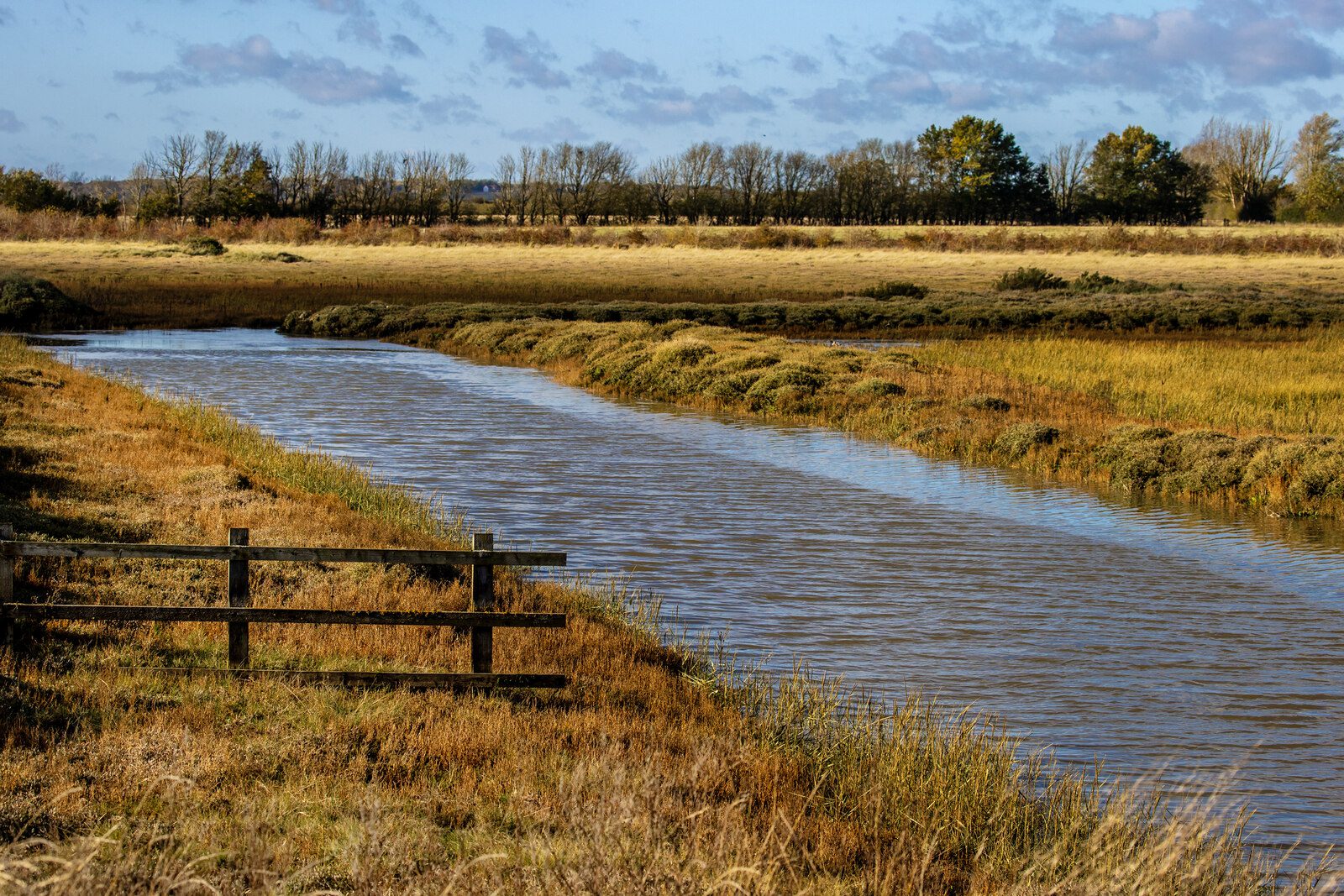
Nature recovery is about restoring the natural environment that exists around us, by enhancing the existing spaces for nature, creating new spaces for nature and improving connectivity of these areas. While we all understand the ideas and good intentions around ‘conservation’, the uncomfortable truth is that nature is still declining. One of the key reasons for this is the availability of habitat and the extent to which habitat is connected.
To make a real change and reverse the fortunes of nature in England, Essex needs to play its part to restore and create natural habitats, bigger patches of habitat, in better condition and better connected. Currently around 8% of England is designated as Sites of Special Scientific Interest and by 2030 the intention is 30% of the country’s landscape will be protected in some form, with the Government looking to halt and reverse the decline of species and reduce extinction risk during this same period. Through Biodiversity Net Gain there will be a set of resources to build into this nature recovery mission, helping to further incentivise nature friendly activities across natural landscapes.