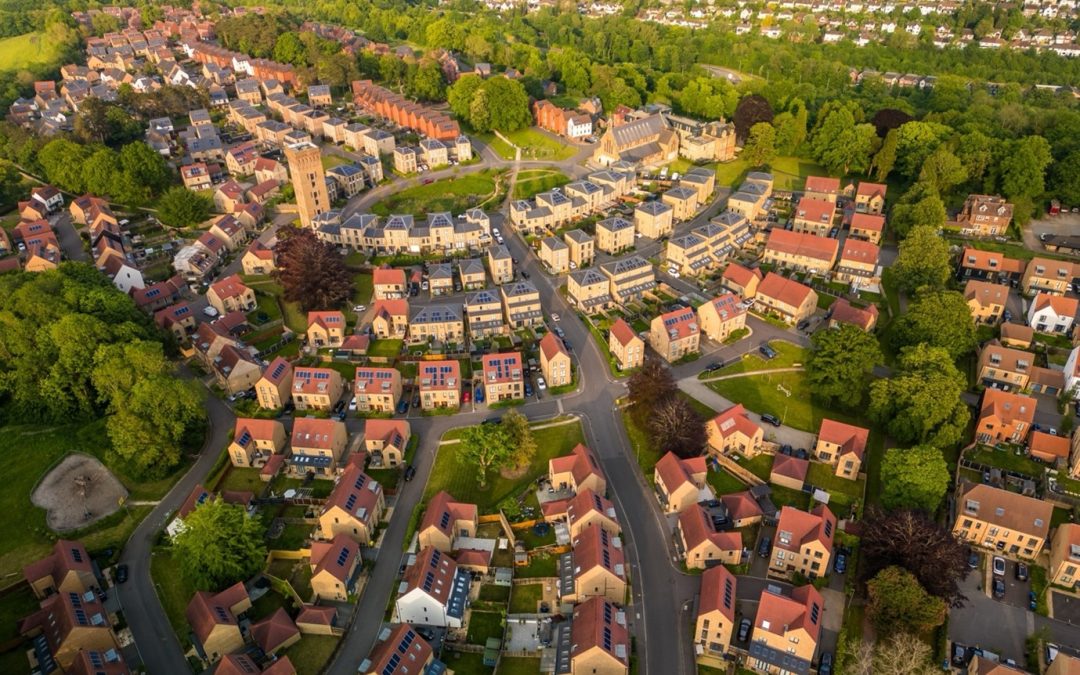
The two words “development” and “biodiversity” have not, historically, sat well together. Too often in the past developments have had a devastating effect on the landscape with concrete jungles threatening and sometimes obliterating wildlife. However, times and attitudes have thankfully changed and the importance of retaining and promoting biodiversity is now universally recognised.
Biodiversity New Gain (BNG) is a new approach to development which was introduced earlier this year. It requires developers to play their part in actively improving wildlife and leaving the environment in a better state than it was found, by avoiding or reducing any negative impact on biodiversity. Developers, at a minimum, must deliver the biodiversity that was lost as a result of any development, plus an additional 10% BNG on a like-for-like basis. For example, a developer cuts down trees on the development site which have been calculated as being worth 100 biodiversity units, which means the developer would need to create or enhance 110 biodiversity units of that same habitat type.
Following the BNG hierarchy, enhancement or creation of habitat on the development site will be the first priority, if on-site is not wholly achievable off-site units can be bought from registered Habitat Banks and, if neither on-site nor off-site can be achieved, there are BNG credits available through the statutory biodiversity credits scheme, which are priced at a higher cost per unit than the off-site market.
The motivation behind BNG is to ensure the environment does not suffer due to development. In fact, the plan is for developers to play a part in creating more connected and higher quality environments where wildlife thrives and which the population can enjoy and equally benefit from.
Developers will be able to buy off-site biodiversity units to achieve biodiversity net gain and the Local Nature Recovery Strategies are set to play a vital role in this. LNRS are designed to incentivise biodiversity net gain to the best locations for optimum impact and will identify sites and locations for habitat creation which have the greatest potential to deliver benefits for nature and the wider environment.
Ben Howe, Biodiversity Net Gain Officer with Essex County Council, says “The thinking is landowners and farmers will provide off-site biodiversity units, diversifying income and delivering for nature, and also potentially benefit from an uplift in the number of units if they are located within the strategic opportunities of the Local Nature Recovery Strategy.”
“The LNRS will support the delivery of BNG by mapping areas for potential habitat creation, that could be suitable off-site BNG delivery locations.”
He added: “We are a country which is losing its biodiversity and ecosystem but we are doing something about it. BNG is another piece of this jigsaw to bring back biodiversity.”
Securing BNG can be achieved through Section 106 planning obligations or conservation covenant agreements. Any site which has entered a BNG agreement will have to be managed and monitored for a minimum of 30 years.
For more information about BNG, contact Ben Howe at ECC by email at ben.howe@essex.gov.uk.
Development presents an opportunity to improve biodiversity